Specialist care, support and housing in Sussex since 1972
The UOK Wellbeing Service has launched
The UOK Wellbeing Service is now live. Delivered by Southdown as lead provider of the UOK partnership, it brings local mental health and wellbeing support together into a clearer, more joined-up service across Brighton & Hove and East Sussex, following a redesign of our community mental health services.
Adults aged 18 and over can access free, welcoming support centred on their individual needs. This may include one-to-one support, peer support groups, social and community activities, and help to connect with specialist services where needed.
Service Directory
All our services are free and available for people aged 18 and over (some can also be accessed by young people aged 16 and over).
Use our Service Directory to find the service you need.
View Service Directory
UOK Mental Health Network
In addition to providing mental health services, we are proud to lead the UOK mental health network across Brighton & Hove and East Sussex, a partnership of 23 community services working together to support good mental health and wellbeing.
Take a look at the UOK website to see what support is available as well as to access information, advice and guidance.
Visit the UOK websiteLooking for a great role with flexibility and career prospects?
If the daily 9-5 isn’t for you or you’re a parent who wants hours to fit around your family, have you considered Support Work? Whatever your circumstances, there’s a career path for you with Southdown, Sussex’s largest not-for-profit care, support and housing provider.
Find out more
Latest news

Our Stories
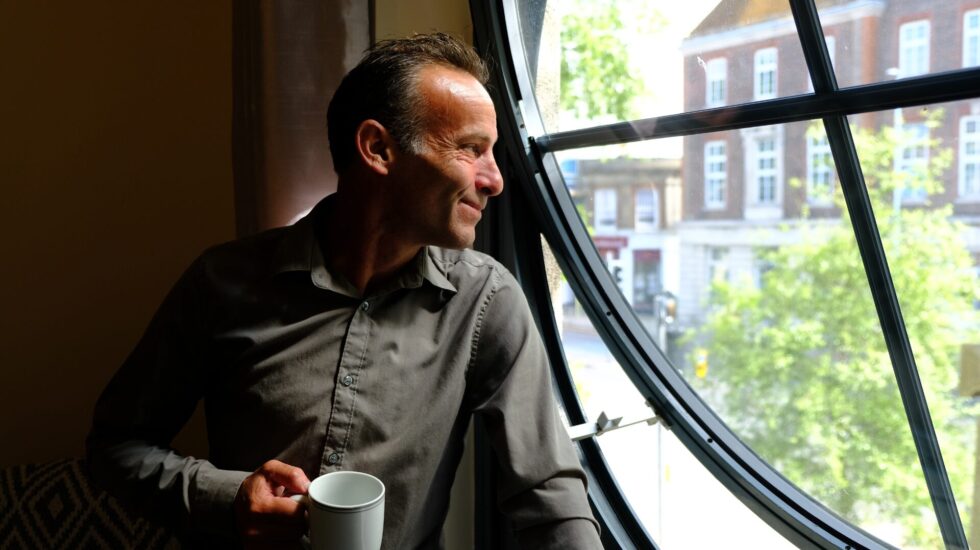
“There’s light at the end of the tunnel”
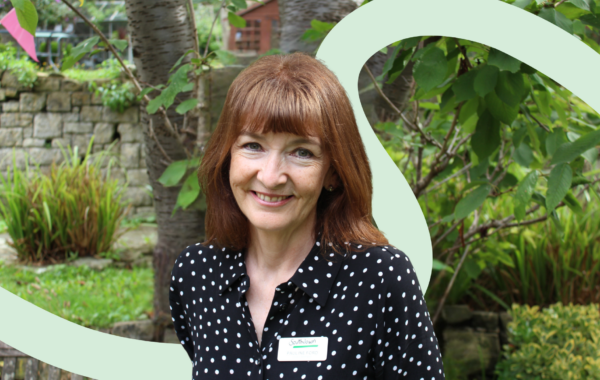
A Southdown Steps resident shares how support from his Housing Support Specialist helped him find peace, stability, and hope for the future. Now rebuilding his life, he’s focusing on wellbeing and training to help others.
“Our support gives people a road map to live independent, meaningful lives”
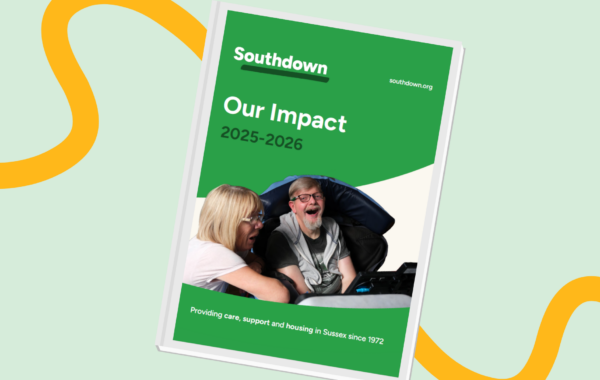
An Employment Specialist at Southdown reflects on helping people with mental health conditions take steps towards independence through meaningful employment and wraparound support.
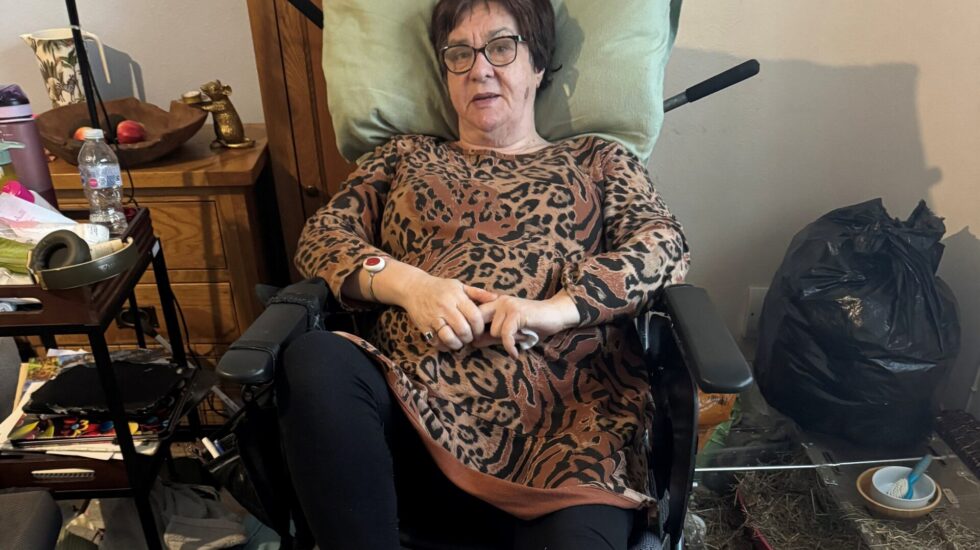
“I would like people to know that I’m a human being like them”
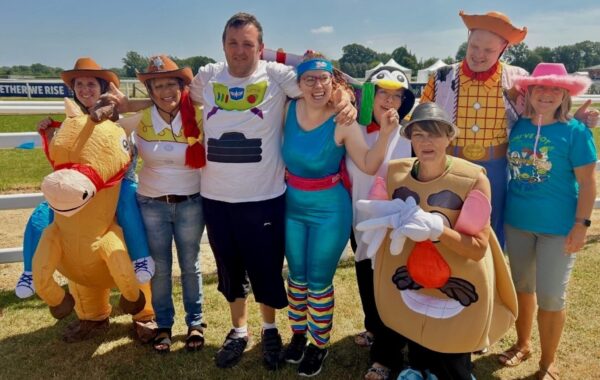
Lauraine, a client one of our mental health and wellbeing services, shares her experience of the barriers she faces as a disabled and chronically ill person, and why acceptance and being seen as a person first matter.
Funders and supporters